

FAT TUESDAY
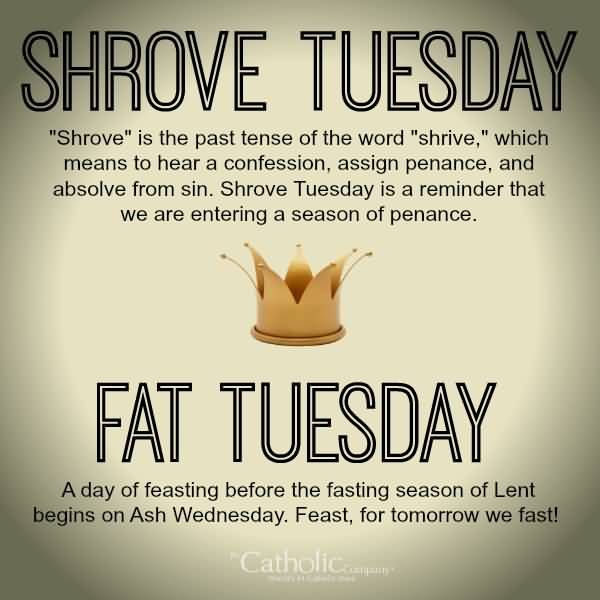
The last day of Carnival and the day before Ash Wednesday, Fat Tuesday is the intertwining of a period of festivals and feasts that lead to a time of fasting and reflection. Also known as Shrove Tuesday and Mardi Gras, this enduring celebration has many traditions and deep roots around the world.
#FatTuesday
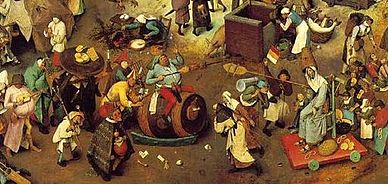
Mardi Gras (French for Fat Tuesday) dates back to an ancient Roman festival honoring the deities Lupercalia and Saturnalia which took place in mid-February. When Christians arrived in Rome, they incorporated the festival into Lenten preparations.
For centuries, this solemn feast prepared Christians for the season of Lent and used up valuable meat and supplies they would be abstaining from in the days to come. Traditions surrounding the day have changed through the ages. Through time and culture, the practices of Lent and Carnival, Mardi Gras, and Shrove Tuesday have varied and become incorporated into regional customs.
In the United Kingdom, Shrove Tuesday is also known as Pancake Day. Pancakes are the perfect menu item when the future includes abstaining from fats, eggs, and sweets! In Russia, they celebrate the entire week during Shrovetide as Pancake Week.
Carnival & Mardi Gras
While the French didn't originate the medieval feast, they did put their stamp on it. From parades to beignets and colorful masks, the last day of Carnival is full of elaborate costumes and lavish food sure to hold the revelers over through a long fast. During the 16th century, their ancestors celebrated Boeuf Gras (fatted calf), which included parading a bull decorated with flowers through the city. The decorated animal is followed through the streets by a retinue of colorfully dressed attendants and bands playing unusual instruments. There was even a Boeuf Gras Society in Mobile, Alabama, at one time. (See history below for more information.)
New Orleans holds the crown for Carnival and Mardi Gras celebrations in the United States. While the city is filled with French flavor and style, its culture is an eclectic infusion of many cultures. Colorful King Cake and thick, savory muffuletta sandwiches only suggest the indulgence possible on Fat Tuesday. Regional specialties like Etouffee, Po'boys, and jambalaya all add to the atmosphere of the day.
And while we satisfy our cravings, let's not forget our beverages. Signature creations from New Orleans hit the spot. Be sure to try the Sazerac made with absinthe or the citrus cocktail Arnaud's Special. For a smooth drink with some punch mix up a Vieux Carré made with whiskey, cognac, and sweet vermouth. But you don't have to have a cocktail to enjoy the feast! Fat Tuesday has plenty of beverages full of refreshing flavor. Coffees, sodas, and shakes of every flavor can be found.
HOW TO OBSERVE FAT TUESDAY
Join in festivals around the country.
Have your own Fat Tuesday feast!
Listen to some jazz or brass band music.
Share your favorite traditions by using #FatTuesday, #MardiGras, #ShroveTuesday
FAT TUESDAY HISTORY
The roots of the celebration have been woven together for centuries from medieval spring festivals and feasts that were based on the Christian calendar. Fat Tuesday is celebrated around the world in its various forms all of which harken back to these roots of spring festivals and religious fasting in preparation for the Holy day of Easter.
Credit for bringing Mardi Gras to America goes to French explorers Pierre Le Moyne Sieur d'Iberville and Jean Baptiste Le Moyne Sieur de Bienville. In 1699, d'Iberville reached the mouth of the river on Shrove Tuesday near what is now Louisiana and named it Pointe du Mardi Gras.
Thanks to their establishment of Fort Louis de la Mobile, modern-day Mobile, Alabama lays claim to the first Mardi Gras celebration on American soil in 1703.
When de Bienville established Nouvelle Orleans in 1788, Mardi Gras celebrations reportedly began immediately. In 1875, Louisiana declared Fat Tuesday an official holiday.
Fat Tuesday FAQ
Q. Why do people wear masks for Mardi Gras?
A. The masks add a bit of mystery to the occasion but in the early days of Carnival, the masks allowed classes to mingle without fear of tarnishing their reputation.
Q. What is a King cake?
A. King cake can be served from the last day of Epiphany (January 6) to the day before Ash Wednesday (Fat Tuesday). A small toy baby is baked into the coffee cake-like pastry. It is decorated with yellow, purple and green frosting. The cake may also be filled with fruits, pastry cream, or cream cheese. Whoever gets the slice with the baby gets to bake the cake for the next Mardi Gras.
FASTNACHT DAY
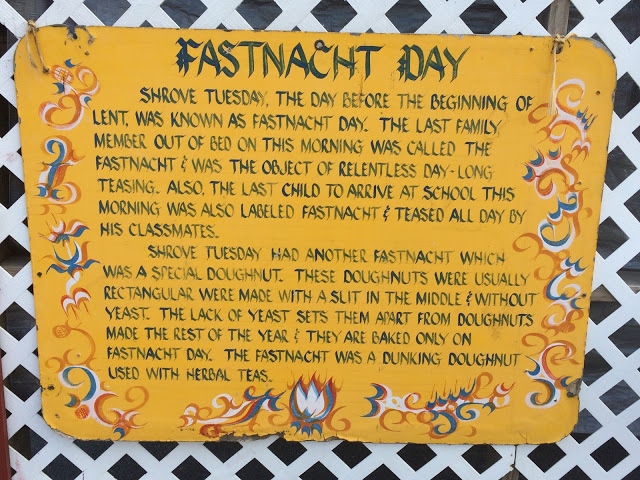
With deep roots in Germany, Fastnacht Day is a pre-Lenten celebration that takes place the day before Ash Wednesday.
#FastnachtDay
Fastnacht means "fast" and "night" in German. In Germany, Austria, and Switzerland, Fastnacht represents an entire season of festivities leading up to Shrove Tuesday. The traditions are rooted in the same pre-Lenten celebrations that have taken place for centuries. Those fasting for Lent used up the rich foods they would be giving up in a feast.
One of the traditional items to come out of the celebration was a pastry made from potatoes and yeast. This delicious doughnut known as fastnacht came the U.S. by way of the Pennsylvania Dutch. In their settlements, the pastry is one of the principal food traditions. The sweet treat is often cut into a triangle or square. Along with fastnacht, the celebration in Pennsylvania Dutch country includes a sumptuous feast before the long 40 days fast.
HOW TO OBSERVE FASTNACHT DAY
Make fastnacht to celebrate. Or, enjoy a fastnacht from a local baker and take part in fastnacht festivities. Share where you get your fastnacht and use #FastnachtDay to post on social media.
FASTNACHT DAY HISTORY
Fastnacht Day is entwined with other similar pre-Lenten holidays such as Fat Tuesday and Paczki Day.
PACZKI DAY
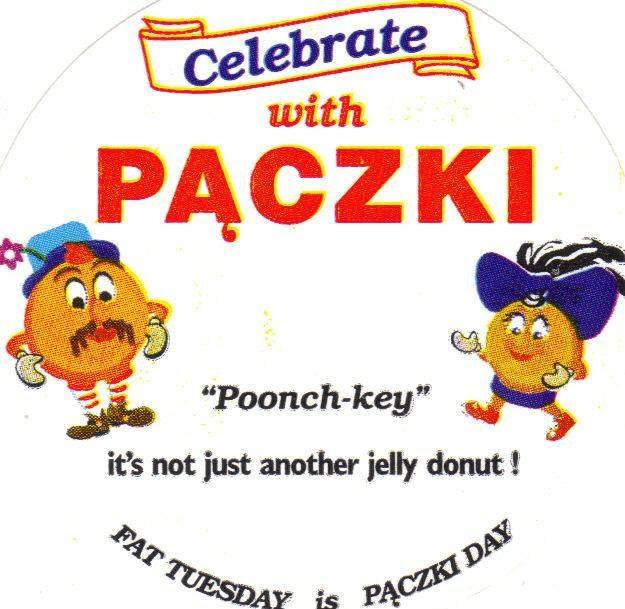
The sweet holiday of Paczki Day takes place the day before Ash Wednesday. The Polish tradition of indulging in fried dough filled with jams, custards or other sweet surprises dates back to the Middle Ages.
#PaczkiDay
A PUNCH-kee or POONCH-key or POOCH-key is traditionally a round Polish pastry filled with fruit and coated in sugar. Those who would be fasting during Lent needed to empty the pantry; this Polish pastry was an ideal way to use up what was in the larder. More modern versions fill the paczki with custard or cream and even cover the outside with a glaze and sprinkles.
The day is also full of music and entertainment much like Fat Tuesday and borrows many traditions from the French.
HOW TO OBSERVE PACZKI DAY
Order a paczki from your local bakery and enjoy it! What type of filling will you have? Traditional or will you be more modern? Join in the celebration and use #PaczkiDay to share on social media.
PACZKI DAY HISTORY
The celebration of Paczki Day dates back to the Middle Ages and is celebrated around the world.

Congratulations to @bek1. Your question was chosen for tonight’s Ask Greg and the Panelists.
@bek1 Who is your favorite movie villain?
Congratulations to @Fuezie and @steve-allen. Your questions were chosen for tonight’s Ask Greg and the Panelists.
@Fuezie What's one job where you have to trust people even though you really don't want to.....?
@steve-allen What daily habit do you do that you really didn't know you had until someone pointed it out?
Watching Aerial America on Pluto TV...
I believe watching Aerial America started this travel odyssey my wife and I are on. I lit a match under my feet and got me moving again. I had a machine shop for about fifteen years, starting in the early 2000s. Being stuck in a small town, I felt the need to do something about that. Government contract work came to mind and I quickly dismissed that route. I'm sure my wife felt the same way. She met me when I was still traveling and set her sights on doing that. And here we are traveling this great country. 🇺🇲
SALT OF THE EARTH
by The Rolling Stones