

Some Federal Copyright History -
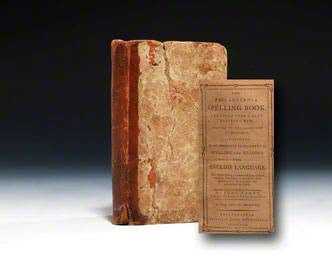
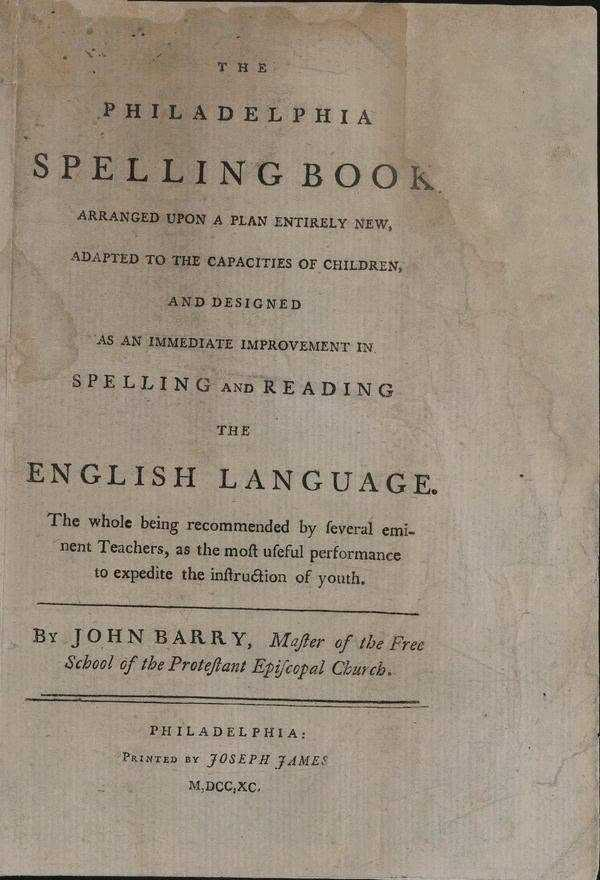
On June 9, 1790, schoolmaster John Barry registered "The Philadelphia Spelling Book" with the U.S. District Court of Pennsylvania. It was the very first work to secure copyright protection under the federal Copyright Act of 1790, which had been signed into law by President George Washington just ten days earlier.
Details of the Registration:
Author/Claimant: John Barry, an instructor at the Free School of the Protestant Episcopal Church in Philadelphia.
Registration Office: U.S. District Court of Pennsylvania (specifically recorded by clerk Sam Caldwell).
Statutory Terms: Under the initial federal law, the registration cost 60 cents and granted exclusive printing and publishing rights for 14 years, with the option to renew for an additional 14 years.
Surviving Artifacts: While no complete physical copy of the book is known to exist today, the Library of Congress Rare Book and Special Collections Division preserves two pages of the original text and the printed title page that Barry deposited.


Congratulations to @NJFLA and @SGKusmertz. Your questions were chosen for tonight’s Ask Greg and the Panelists.
@NJFLA What’s something that instantly tests your willpower?
@SGKusmertz Which of your character traits do you hope to pass on to your next generation?
Congratulations to @IMP85. Your Huli Huli recipe was chosen for tonight’s Sunday Suppers. After a fierce showdown between Imp amd @Arius-Trychus, the sugar won this round. I got the entries down to two and Mark chose the winner. Oh, and it was delicious. Sorry @Arius-Trychus, sweet always talks louder for Mark.
@Imp85, please keep an eye out for an email from a Gutter Team Member.
Thank you to everyone who shared recipes and helped keep my temporary “toaster oven, bbq, and crockpot era” alive. Here’s hoping to the kitchen face look flies by fast.
Congratulations to @ACDC_Guy and @Ted_Prohowich. Your questions were chosen for tonight’s Ask Greg and the panelists.
@ACDC_Guy What was your first make out song and what grade were you in?
@Ted_Prohowich Tell us about a time someone gave you advice you didn't follow. Was the outcome good, bad, or ugly?
Merch, Mischief, and Memories
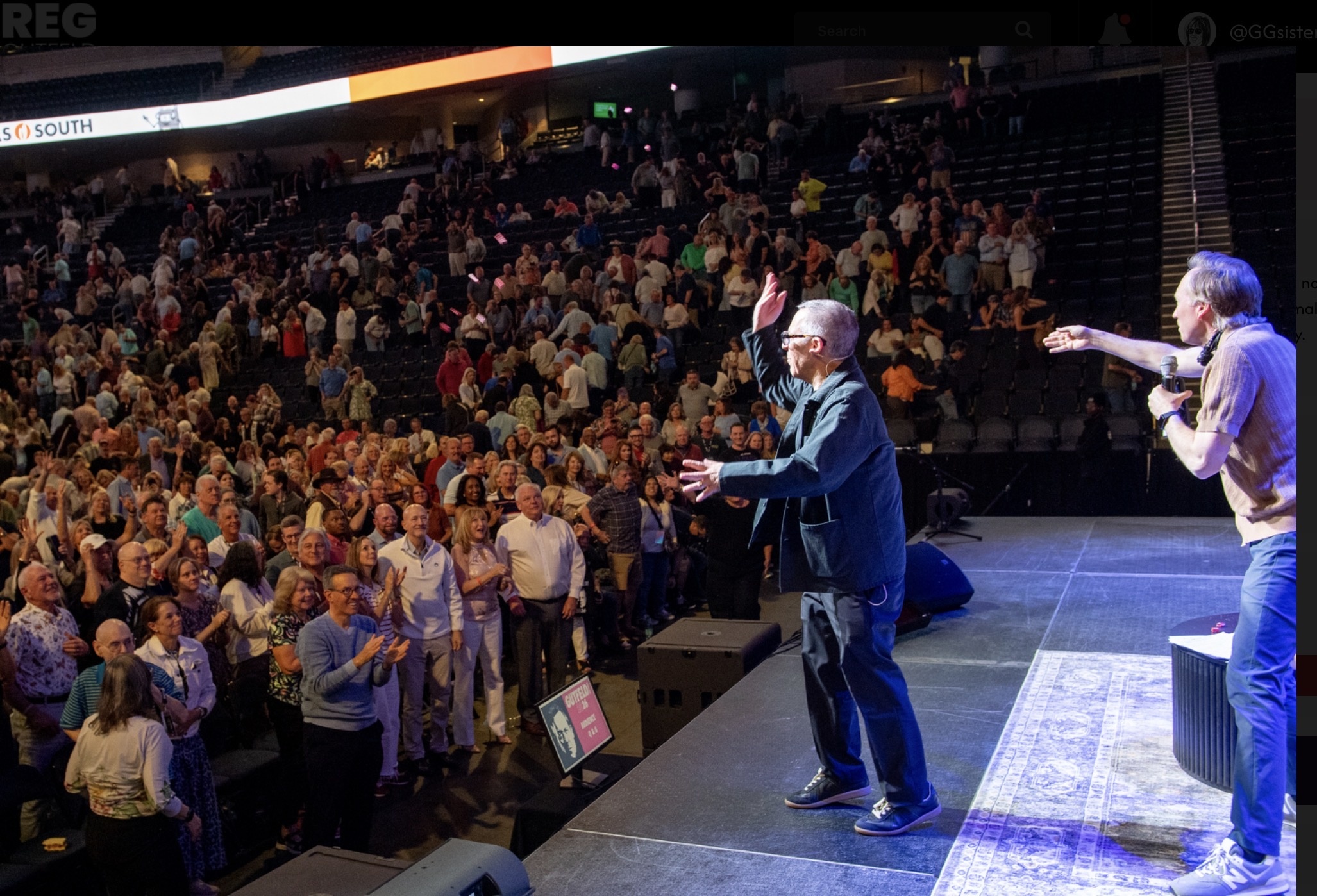
Heading to the Gutfeld live show June 6 or June 7? Don't forget to snap lots of photos during your adventures - selfies, group pics, funny signs, and especially your fabulous Gutfeld merch. Bonus points for your Gutfeld merch pix.
One lucky Gutter member from EACH show will win a special
Gutfeld merch surprise pack just for sharing their moments. So charge your phones, fluff your hair, grab your merch and prepare for an evening of laughs.


In Physics History -
The Secrets Of The Universe
When Einstein met quantum physics!
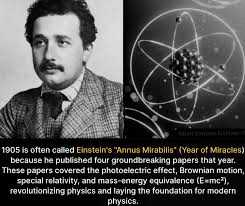
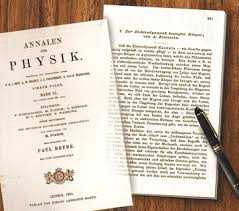
On this day, 121 years ago, Albert Einstein published his seminal paper on the photoelectric effect.
But the journey to understanding this intriguing phenomenon began in the early 19th century, when Alexandre Becquerel discovered the photovoltaic effect. His findings ignited interest in the relationship between light and the electronic properties of materials.
In 1873, Willoughby Smith’s discovery of photoconductivity in selenium opened new doors. Soon after, Johann Elster and Hans Geitel advanced the field by developing the first usable photoelectric cells to measure light intensity.
The real breakthrough came in 1887, when Heinrich Hertz observed the photoelectric effect for the first time. This became the trailhead to a new scientific frontier. In 1900, Max Planck shook the physics world by proposing that light isn’t continuous, but made of discrete energy packets—what we now call photons.
Building ...