


Government in Action Time History:
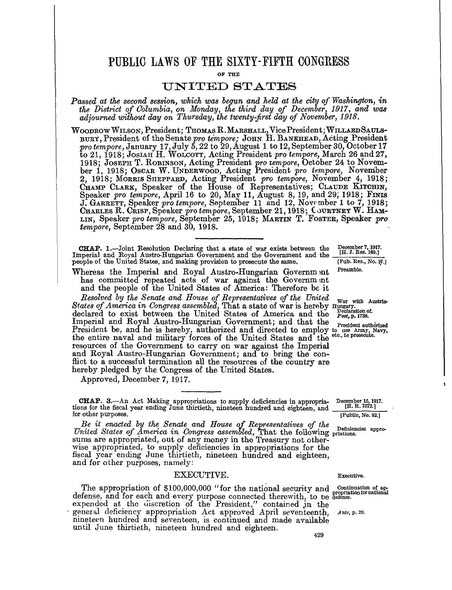
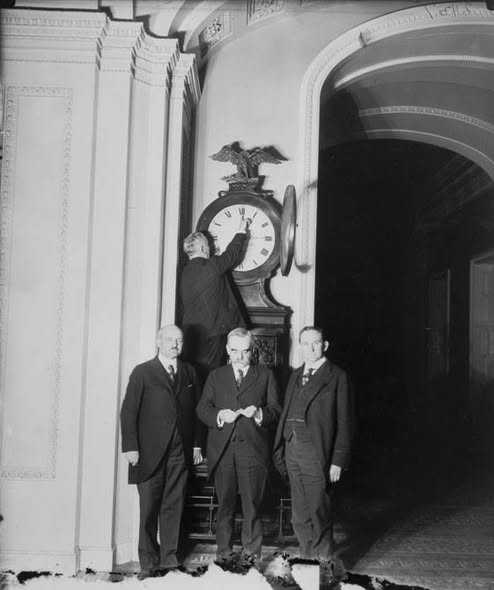
On March 19, 1918, the U.S. Congress passed the Standard Time Act (also known as the Calder Act), which authorized the Interstate Commerce Commission to establish official time zones and enacted the country's first nationwide Daylight Saving Time (DST). Primarily aimed at conserving fuel for war efforts during World War I, this act, signed by President Woodrow Wilson, implemented DST for seven months beginning March 31, 1918.
history.house.gov +4
Key details:
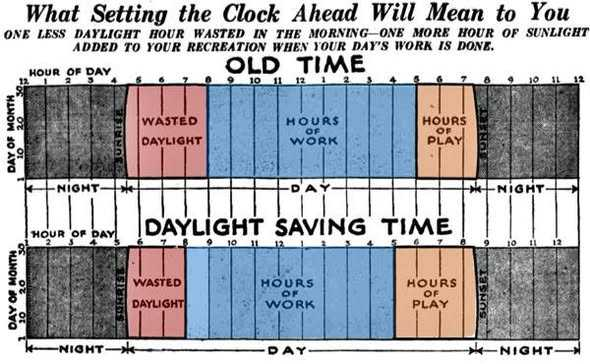
Purpose: To save on fuel and energy for lighting by maximizing daylight hours, often referred to as "war time".
Time Zones: Formally established five time zones for the U.S. and its territories.
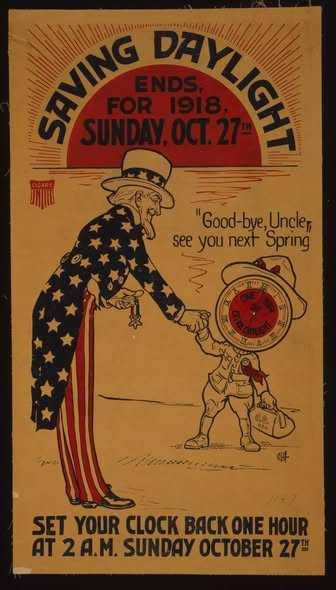
Implementation: Clocks were set forward one hour on the last Sunday in March and back on the last Sunday in October.
Repeal: Due to unpopularity, Congress repealed the act in 1919 over President Wilson’s veto, though it remained a local option for some areas.
history.house.gov +2
The act laid the groundwork for ...

Congratulations to @Ted_Prohowich. Your question was chosen for tonight’s Ask Greg and the Panelists.
@Ted_Prohowich In which "Jeopardy!" category would you be able to answer all five clues?
Congratulations to @bek1 Your question was chosen for tonight’s Ask Greg and the Panelists.
@bek1 What is your "go-to" music for a romantic encounter?